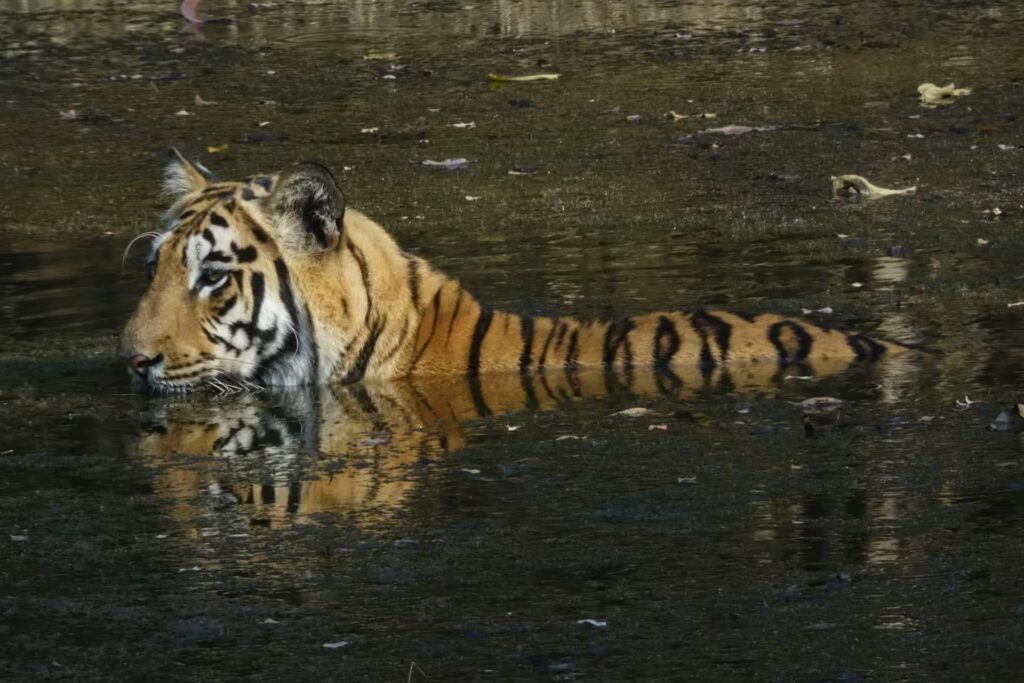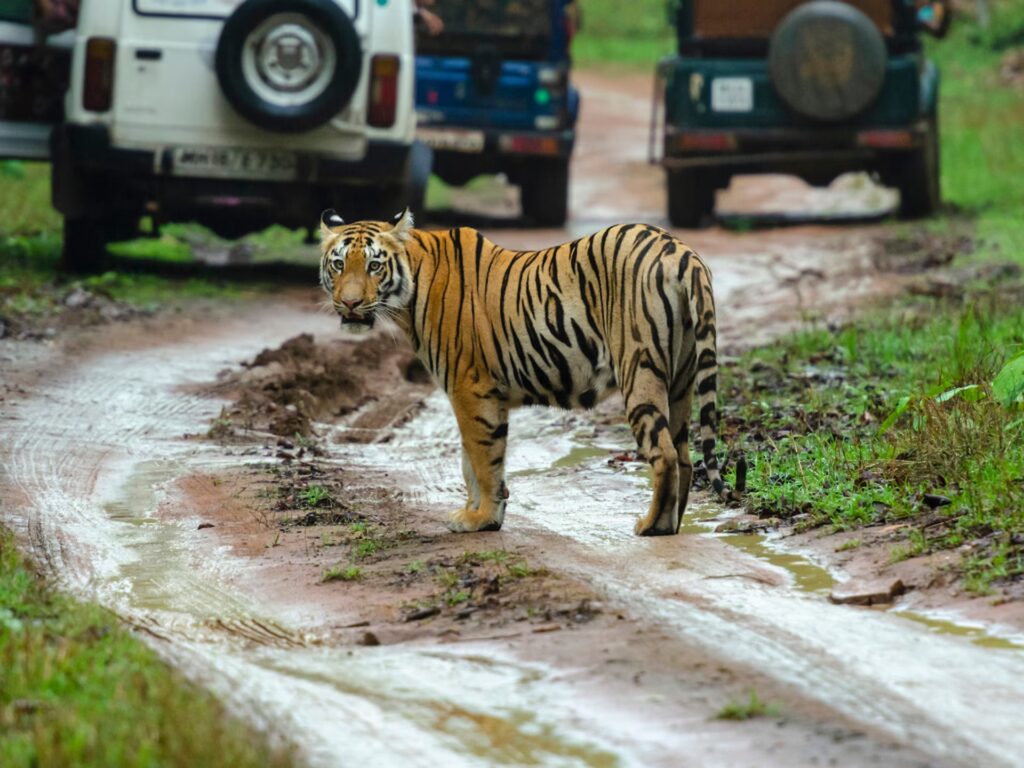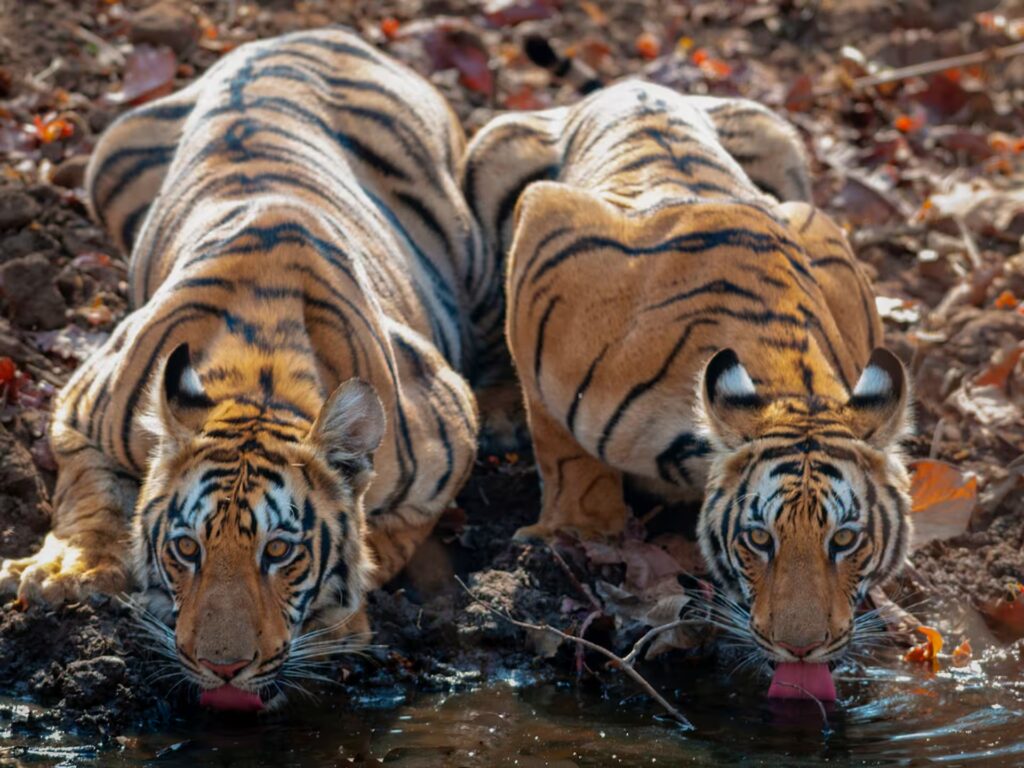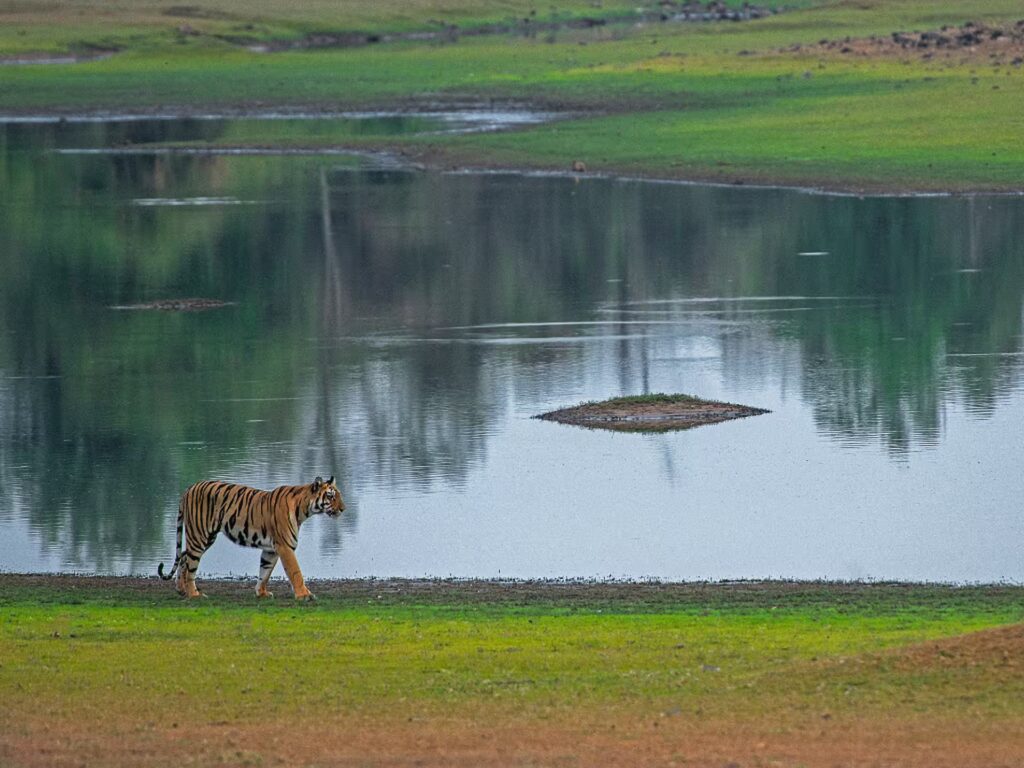
Tadoba Andhari Tiger Reserve operates under a zoning system that divides the protected area into core zones and buffer zones, each governed by different regulations, access protocols, and wildlife management priorities. Understanding this distinction proves essential for safari planning, as the zone you book directly influences your tiger sighting probability, the type of habitat you experience, and the overall quality of your wildlife encounter. The core zone encompasses approximately 625 square kilometers of the most intensively protected tiger habitat, while buffer zones add another 1,101 square kilometers of surrounding landscape that balances conservation needs with limited human activity.
The confusion around core versus buffer zones often stems from marketing language used by lodges and booking platforms that sometimes blur these distinctions or fail to clarify which zone a particular safari accesses. Core zone permits remain significantly more difficult to obtain due to strict daily visitor limits enforced by forest department regulations, while buffer zone access operates under more relaxed booking conditions. This availability difference creates a temptation to accept buffer safaris without fully understanding what you are trading away in terms of wildlife encounter quality and habitat immersion.
Quick Comparison Overview
The table below summarizes the fundamental differences between core and buffer zone safaris in Tadoba, providing a clear reference point for understanding what each zone offers.
| Factor | Core Zone Safari | Buffer Zone Safari |
|---|---|---|
| Total Area | Approximately 625 sq km | Approximately 1,101 sq km |
| Primary Gates | Moharli, Kolara | Navegaon, Pangdi, Zari, Kolsa |
| Tiger Sighting Probability | 40–60% (peak season) | 10–20% (peak season) |
| Habitat Quality | Prime sal forest, largely undisturbed | Mixed forest with some human activity |
| Permit Availability | Very limited, books 120 days in advance | Relatively easier, better availability |
| Approximate Cost | ₹4,500 – ₹5,500 per vehicle | ₹3,500 – ₹4,000 per vehicle |
| Vehicle Limit Per Session | 25–30 vehicles | More flexible, higher numbers allowed |
| Tiger Presence | Resident territorial tigers | Transient or dispersing individuals |
| Human Disturbance | Minimal, strictly protected | Moderate, village interfaces present |
| Route Assignment | Strict chakkar system | Less rigid route control |
| Booking Competition | Extremely high, sells out in minutes | Moderate, easier last-minute booking |
Habitat Quality and Tiger Territory Distribution
The core zone represents the ecological heart of Tadoba, containing the prime sal forest habitat, perennial water sources, and established tiger territories that have remained undisturbed for decades. This area includes the Tadoba Lake itself, the Andhari River corridor, and extensive mixed forest that provides ideal conditions for tigers to establish breeding territories, raise cubs, and maintain stable prey populations. The vegetation density, prey base concentrations, and absence of human habitation create an environment where tigers behave naturally rather than adapting their patterns around human disturbance.
Buffer zones surround this core area and consist of forest land that interfaces with agricultural fields, village settlements, and human activity corridors. While these zones do contain forest cover and wildlife, the habitat quality shows visible degradation compared to core areas. You will notice more evidence of cattle grazing, forest degradation from firewood collection, and habitat fragmentation where agricultural land interrupts forest continuity. Buffer zones serve as crucial wildlife corridors and dispersal habitat, allowing young tigers to move between protected areas and reducing conflict by providing space for animals displaced from core territories, but they function more as transition zones rather than pristine wilderness.
Tiger presence in buffer zones tends to be transient rather than residential. Sub-adult tigers dispersing from core territories may spend time in buffer areas searching for unoccupied territory to claim, and established tigers occasionally make excursions into buffer zones while patrolling the boundaries of their ranges or following prey movement. However, buffer zones rarely support the stable, resident tiger territories that characterize core areas. The prey base in buffer zones also shows notable differences, with lower densities of chital, sambar, and wild boar compared to core zone concentrations, which directly impacts predator presence and activity levels.
The forest department conducts far more intensive management in core zones, including regular patrolling by armed guards, strict limitations on any extractive use, and continuous monitoring of wildlife populations through camera traps and field surveys. Buffer zones operate under less stringent oversight, with some sustainable use permitted for local communities and reduced anti-poaching patrol intensity. This management differential translates directly into the wildlife experience, as core zones maintain the ecological integrity and predator-prey dynamics that make quality tiger sightings possible.
Safari Protocols and Access Regulations
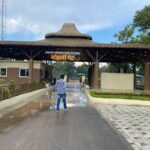
Core zone safaris operate under strict permit quotas, with the forest department limiting the number of vehicles allowed into each gate during morning and evening safari slots. Moharli Gate and Kolara Gate provide core zone access, with typically 25 to 30 vehicles permitted per session distributed across different routes within the zone. These permits release online exactly 120 days before the safari date and sell out within minutes for peak season weekends and holidays, creating a booking challenge that requires either meticulous timing or working through lodges with established booking relationships.
Each core zone vehicle follows assigned routes called chakkar or rounds, which distribute visitor pressure across different sections of the core area rather than allowing all vehicles to converge on the same forest blocks. Your assigned route determines which part of the core zone you will cover during your safari, and while all routes offer legitimate tiger habitat, some areas prove more productive than others depending on recent tiger movement patterns and territorial dynamics. Experienced guides and naturalists understand these patterns and can often predict which routes currently offer the best sighting potential based on fresh tracks, alarm calls, and camera trap data shared within the guide network.
Buffer zone safaris operate through gates including Navegaon, Pangdi, Zari, and Kolsa, with more relaxed permit availability and less stringent route assignments. These safaris typically cost slightly less than core zone permits, with rates around 3,500 to 4,000 rupees per vehicle compared to core zone rates of approximately 4,500 to 5,500 rupees depending on Indian or foreign national status. The easier booking process for buffer safaris creates appeal for last-minute planners or those visiting during peak season when core permits have long sold out, but this convenience comes with substantially reduced tiger encounter probability.
Vehicle restrictions also differ between zones. Core zones maintain strict limits on the number of vehicles present at any location, with rules prohibiting more than four or five vehicles gathering at a single sighting. Buffer zones enforce these regulations less rigidly, and the overall visitor experience can feel more chaotic with potentially more vehicles operating simultaneously and less controlled movement protocols. The guide and driver quality also varies, as the most experienced naturalists and drivers preferentially work core zone safaris where their expertise creates maximum value and their reputation benefits from association with better sighting success.
Realistic Sighting Expectations and Success Rates
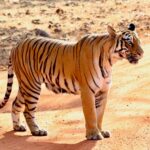
Tiger sighting probability represents the most significant practical difference between core and buffer safaris. Core zone visitors typically achieve tiger sightings on approximately 40 to 60 percent of safaris during favorable seasons, with success rates varying based on the specific month, recent tiger activity patterns, and territory dynamics among resident cats. These odds do not guarantee sightings, as tigers remain wild animals whose movements follow their own priorities rather than tourist schedules, but the probability remains substantially higher than buffer zones due to resident tiger density and superior habitat quality.
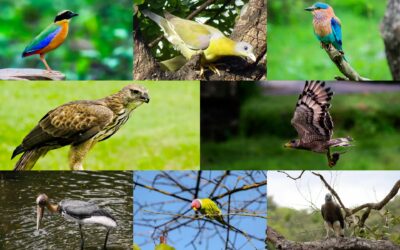
Buffer zone tiger sightings occur far less predictably, with success rates dropping to perhaps 10 to 20 percent of safaris even during good months. Many buffer safaris result in seeing quality populations of herbivores including large chital herds, sambar groups, and possibly wild boar or gaur, along with smaller wildlife such as langurs, jungle cats, and varied bird species, but without encountering tigers at all. Visitors booking exclusively buffer safaris should understand this reality rather than expecting comparable tiger encounter odds to core zones.
The quality of tiger sightings also differs between zones when encounters do occur. Core zone sightings often involve relaxed tigers moving naturally through their territory, sometimes providing extended viewing opportunities as the animal hunts, patrols boundaries, or interacts with other tigers. Buffer zone encounters tend toward briefer, more distant sightings of transient individuals moving quickly through areas where they do not feel fully secure. The behavioral difference becomes apparent even to first-time safari visitors, as core zone tigers generally tolerate vehicle presence with indifference while buffer zone tigers often appear more alert and prone to melting back into cover rather than continuing their activity in view.
Other wildlife sightings also favor core zones, where leopard presence runs higher, sloth bear encounters occur with greater frequency, and prey species demonstrate more natural behavior patterns. The overall forest experience feels markedly different, with core zones providing genuine immersion in functional tiger habitat where ecological processes unfold naturally, compared to buffer zones where human modification and disturbance create a more compromised wilderness experience.
Making Strategic Booking Decisions
Most serious wildlife photographers and tiger enthusiasts prioritize core zone permits and structure their Tadoba visits specifically around securing these bookings. The standard approach involves attempting to book core safaris exactly 120 days in advance when permits release, using multiple devices and internet connections to compete in what essentially becomes an online lottery for popular dates. Booking through established safari lodges often provides better core permit access, as these properties maintain relationships with the booking system and sometimes hold quota allocations that individual tourists cannot access through the public portal.
A mixed strategy combining core and buffer safaris can work for longer stays of four or five days, where three or four core safaris provide solid tiger encounter probability while one or two buffer safaris add variety and increase your total time in the field. This approach makes particular sense if core permits prove unavailable for all your desired dates, as some buffer zone exposure provides more value than skipping safaris entirely. However, visitors with limited time who can only manage two or three total safaris should focus exclusively on core zone access rather than diluting their already limited opportunities with buffer compromises.
The seasonal factor also influences core versus buffer decisions. During peak tiger activity months from November through April when core zones deliver their highest sighting success rates, the value differential between core and buffer safaris reaches maximum levels. Monsoon and immediate post-monsoon periods from July through October see reduced overall tiger visibility even in core zones due to dense vegetation and dispersed prey, which narrows the gap between zone types though core areas still maintain clear advantages.
Budget considerations legitimately factor into some visitors’ decisions, as the cumulative cost difference between core and buffer safaris adds up over multiple game drives. A family of four doing six safaris would save approximately 6,000 to 9,000 rupees by choosing buffer over core options. However, this saving becomes questionable value if it means experiencing Tadoba without actually encountering tigers, particularly for international visitors who have invested significantly in flights and accommodation to reach this destination specifically for tiger safaris.
Final Thoughts
The core versus buffer distinction in Tadoba represents far more than administrative zoning, reflecting fundamental differences in habitat quality, tiger density, management intensity, and visitor experience. Core zones provide access to genuine, high-functioning tiger habitat where wildlife encounters occur within intact ecological systems, while buffer zones offer compromised habitat where human activity and disturbance reduce both wildlife density and encounter quality. Understanding this difference allows realistic expectation-setting and strategic booking decisions that maximize your chances of experiencing Tadoba at its best.
Visitors should approach buffer safaris as supplementary opportunities rather than equivalent alternatives to core zone access. The booking challenges and higher costs associated with core permits reflect genuine scarcity of quality tiger habitat and the forest department’s legitimate efforts to balance tourism revenue with conservation priorities. Accepting these realities and planning accordingly produces far better outcomes than arriving at Tadoba with buffer zone bookings and disappointed expectations about tiger encounter probability.