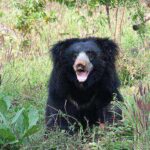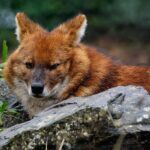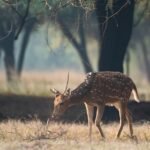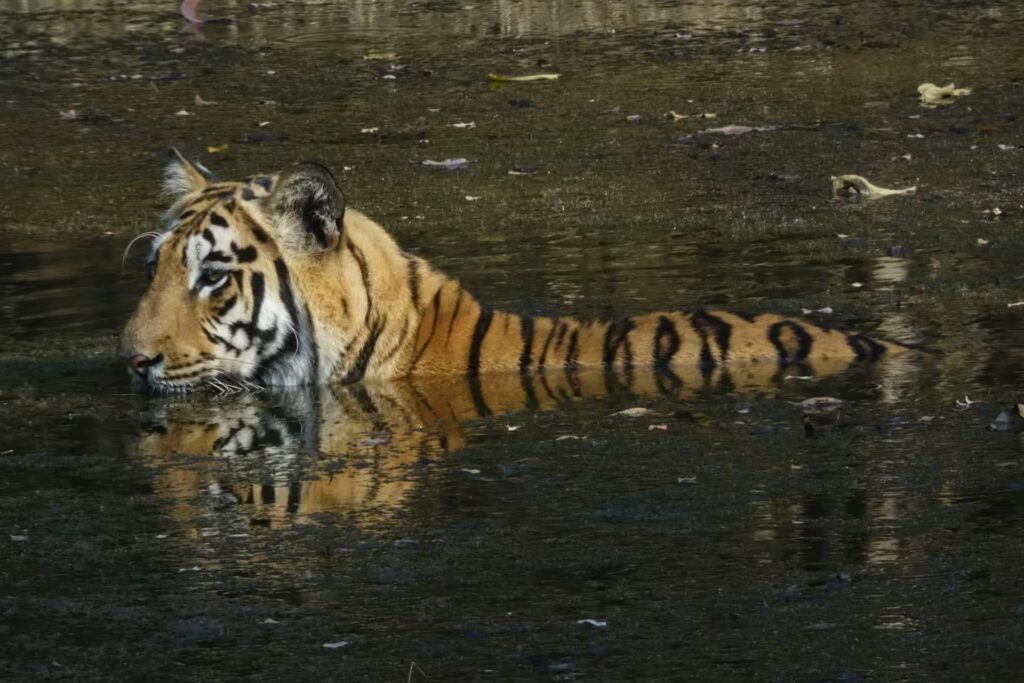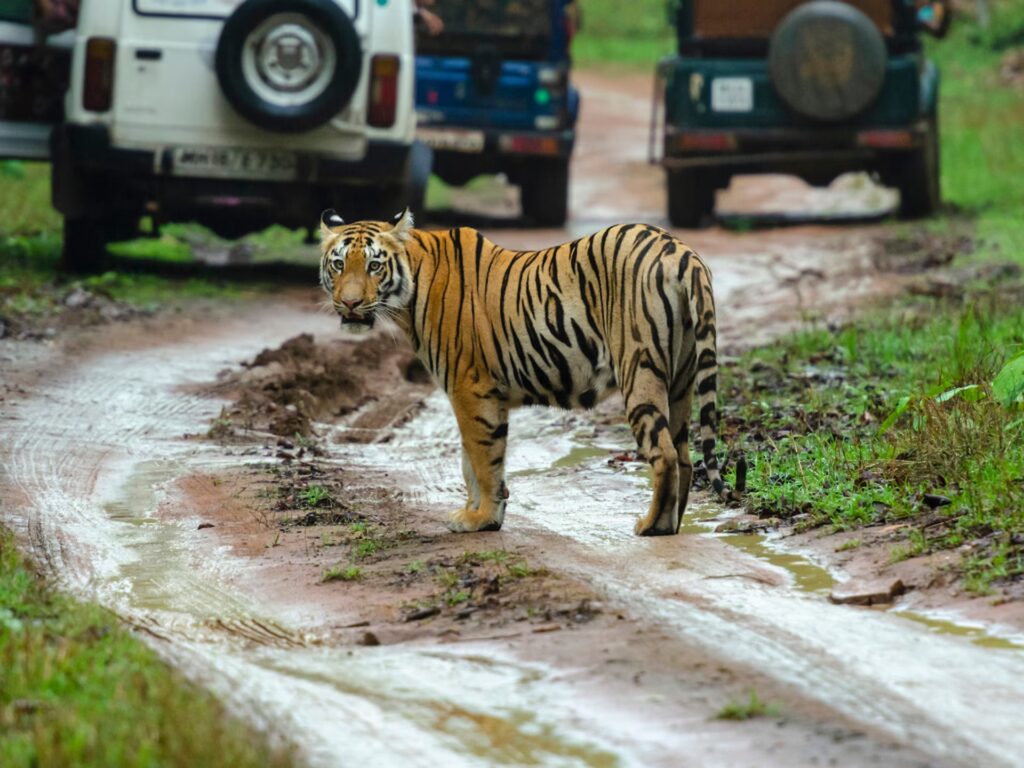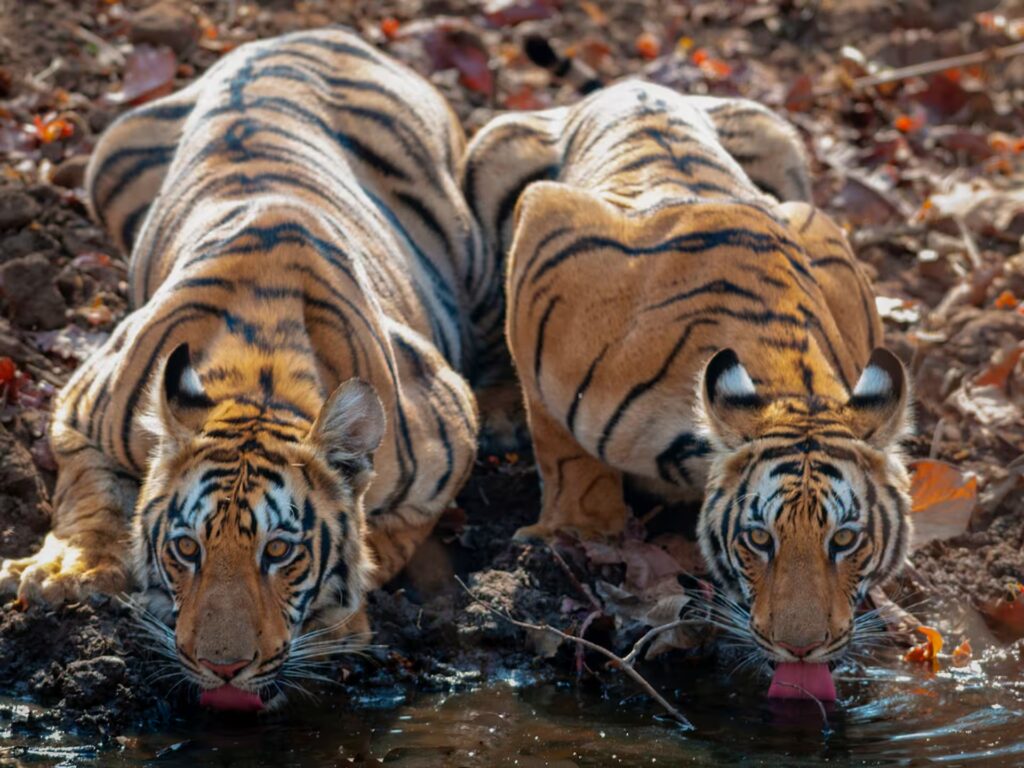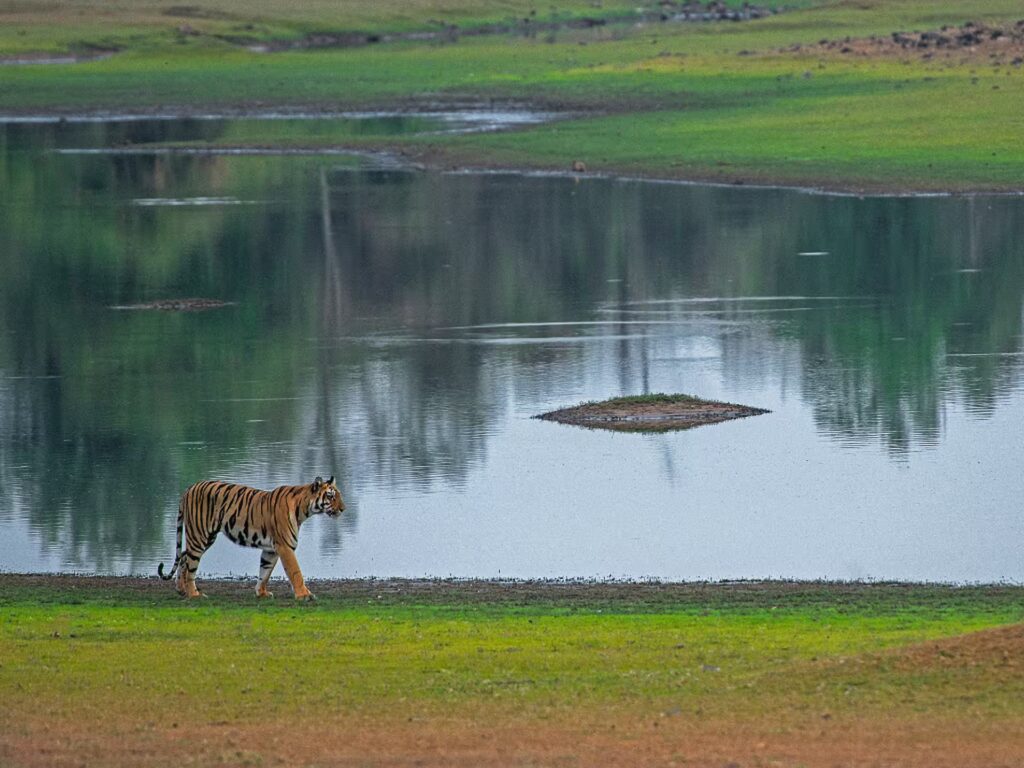
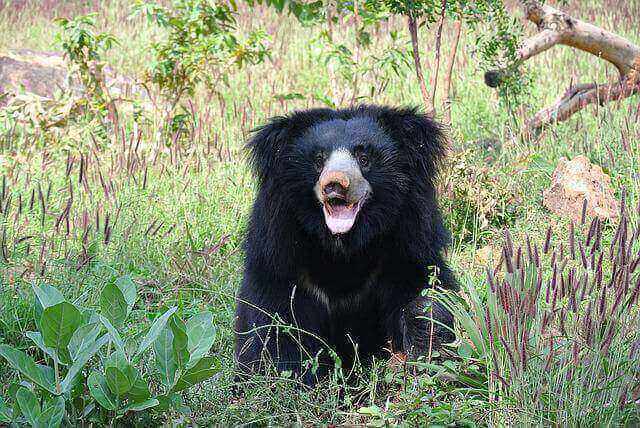
Tadoba Andhari Tiger Reserve is known for tigers, yet the sloth bear often defines the forest’s edge. The Sloth bear moves with purpose and speed through scrub and rock. It appears without warning and vanishes just as quickly. Many guides speak first of tigers, but the bear leaves a deeper mark on those who see it. If you learn its paths and hours, an encounter can stay with you long after the drive ends.
Why Tadoba Is One of India’s Best Places to See Sloth Bears
Tadoba holds a strong population of sloth bears across 1,727 square kilometers of dry forest. The land supports them well with rock, scrub, and steady food. Termite mounds rise across the ground, and fruiting trees dot the edges of tracks.
Most sightings in India happen by chance, but Tadoba shifts those odds. Open patches and narrow roads let you see movement before the bear senses you. Naturalists report regular sightings during the warmer months when food draws bears into view.
How Sloth Bears Actually Behave in the Wild
The Sloth bear is not slow despite its name. It runs fast when it feels threatened and holds its ground. It feeds mainly on insects, especially termites and ants, and it finds them by smell.
Watch a bear break open a termite mound with curved claws. It closes its nostrils and draws insects in with strong suction. The feeding sound travels far through still forest air.
These bears live alone for most of the year and move during cooler hours. In Tadoba, sightings often occur before 8 AM and after 4 PM. They are not aggressive without cause, but they react strongly when surprised. They do not bluff, and they follow through on a charge.
Best Safari Zones in Tadoba for Sloth Bear Sightings
Not every zone offers the same chance of seeing sloth bears. Some areas hold better ground, food, and cover.
Moharli zone and Navegaon buffer zone show steady bear movement. Both areas hold rocky stretches and exposed termite mounds. Fruit trees in these zones attract bears during certain months.
Kolara buffer zone sees less crowd and steady activity. Naturalists here report frequent sightings in early morning hours. You can plan a safari in this zone if you want to focus on bears.
| Safari Zone | Sloth Bear Sighting Chance | Best Time in Zone | Crowd Level |
|---|---|---|---|
| Moharli Core | High | Early morning (6–8 AM) | Moderate to High |
| Navegaon Buffer | High | Morning and late afternoon | Low to Moderate |
| Kolara Buffer | Moderate to High | Early morning | Low |
| Tadoba Core | Moderate | Morning | High |
| Pangdi Buffer | Moderate | Evening (4–6 PM) | Low |
Best Season to Spot Sloth Bears in Tadoba
March to June marks the strongest period for sloth bear sightings. Heat rises, and fruit ripens across the forest. Mahua flowers and ber fruit draw bears into open areas where you can see them.
The park closes from July to September during the monsoon. Roads break down under rain, and access stops. After the rains, bears feed to build fat reserves. October and November offer steady sightings during this feeding phase.
Winter runs from December to February and brings cooler air. Sloth bears stay active in this season, but thick vegetation makes them harder to see.
What to Watch for on Safari: Reading Sloth Bear Signs
A skilled naturalist stops the jeep before the animal appears. You can learn to read these signs and follow the same clues.
- Broken termite mounds show fresh digging and loose soil. This often signals recent bear activity.
- Claw marks on mahua trees show feeding at mid height. Scratched bark stands out against the trunk.
- Droppings on tracks contain insect remains, seeds, and fruit pulp.
- Alarm calls from Sambar deer and Chital often point to a bear in dense scrub.
- A strong musky smell can drift through the air before you see the animal.
Sloth Bear Encounters with Tigers in Tadoba
Tadoba holds a high number of tigers, so paths often cross. Encounters between sloth bears and Bengal tiger remain tense and direct. Most do not end in death for the bear.
The bear stands firm and makes loud guttural calls. It moves through scrub with force and sound. Guides report cases where bears push tigers back from close range. A mother with cubs reacts with strong defense.
If you witness such a moment, stay quiet in the jeep. Let the guide choose position and distance.
How to Book a Tadoba Safari with Sloth Bear Focus
You must book safaris online through the Maharashtra Forest Department portal for core zones. Permits fill weeks in advance during peak season. Buffer zones often remain open closer to travel dates.
A full day plan improves your chances of seeing a sloth bear. Combine an early core drive with a late buffer drive. This increases your time in active hours.
Ask for a naturalist who knows sloth bear movement. Not all guides focus on bears during drives. Confirm this before you book.
Approximate Safari Costs and Permit Fees at Tadoba
Costs change based on zone, vehicle type, and booking method.
- Core zone safari permit costs about INR 3,500 to INR 5,000 per person
- Buffer zone safari permit costs about INR 1,200 to INR 2,500 per person
- Shared jeep safari costs about INR 2,500 to INR 4,000 per person
- Private jeep hire costs about INR 8,000 to INR 14,000 per safari
- Stay near Moharli gate costs about INR 4,000 to INR 18,000 per night
Budget stays in Moharli village or near Navegaon gate cost under INR 2,000 per night. The forest remains the same wherever you stay.
Ground Realities and Permit Tips First-Time Visitors Should Know
Core zone permits for March to May often sell out within minutes. Book exactly 90 days before your planned date when the window opens.
Buffer zones may not need early booking, but rules change with season. Check with your lodge or a local operator at least two weeks before arrival.
Sloth bears appear more often when jeeps stay still and quiet. Drivers who keep moving may miss slow movement near scrub. Tell your guide your preference before the drive starts.
Navegaon and Kolara buffer zones see fewer visitors and strong wildlife activity. These zones are not a second option. They offer real chances for sloth bear sightings with less vehicle pressure.